Listen to Me and Your Personal Passport

The ListenToMe download is a way to get started in helping someone move towards the life that he or she wants to lead. Don’t stop here, don’t plan just once – keep listening. The Passport download is for people with developmental disabilities and their friends and families who want to learn more about person-centered planning. … Read more

The Redwoods Gathering 2020

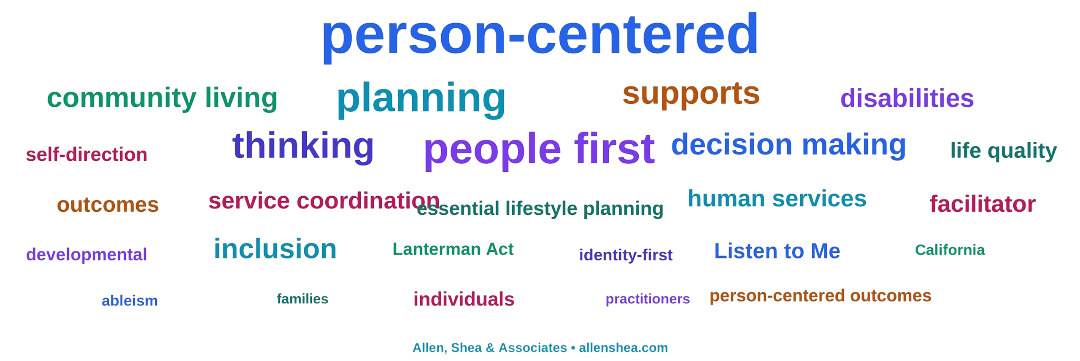
One hundred and eighty people from California and beyond joined together for three days of great presentations and discussions about everything from virtual training, services, and planning to trauma based supports. Here’s a graphic that best describes the combined appreciations of everyone who attended. Hope to see you next time!

The Redwoods Gathering – Save the Date

We have found a way to restore our plans for a gathering in October (26th-28th). The Learning Community for Person Centered Practices (TLCPCP) has offered to present the gathering virtually with our local agenda committee handling the planning. Under this arrangement, anyone who registered for the April Gathering and did not receive a refund will be … Read more

What’s in Your Emergency Kit?

New YouTube video What’s in Your Emergency Kit? Be prepared, buy or build your own emergency bag. Remember to include the five basic emergency kit contents: First Aid and Hygiene; Food and Water; Tools; Shelter and Warmth; and Light and Communication. For more information, go to https://www.ddshealthtoolkit.org and look for Emergency Preparedness.

Guidelines for using 1st person in writing a person centered plan

When writing a person centered plan, using first person should be approached cautiously. There is a persistent belief that writing the plan in first person somehow “makes” the plan person centered. Plans that are written in first person do read more powerfully but the person developing the plan needs to understand the responsibility that they … Read more

Supporting People in Taking Medication

Filmed during the COV-19 pandemic, this video is focused in supporting people who take their own medication. It encourages individuals to work with support staff regarding ways to implement the seven rights: right person; right medication; right dose; right time; right route; right reason; and, right documentation. You can see it here.